Easy Indian Vegetable Curry

Curry! It was during our trip to North India, in Jaipur specifically, that we fell in love with this cuisine of a thousand spices. We were at a small family restaurant in the Pink City, and the owner prepared her homemade vegetable curry for us. The aromas wafting from the kitchen were intoxicating—cumin, coriander, turmeric, ginger… It was a true symphony for our senses!

So, ready for a culinary journey to India? Get out your spices—we’re taking you to Jaipur!

🌶️

How to Make Your Indian Vegetable Curry

Ingredients:

For the Curry:

  • 2 tablespoons coconut oil (or vegetable oil)
  • 1 medium onion (sliced)
  • 3 garlic cloves (chopped)
  • 1 piece fresh ginger (3cm, grated)
  • 400g potatoes (cut into cubes)
  • 300g cauliflower (in small florets)
  • 150g peas (fresh or frozen)
  • 1 carrot (sliced into rounds)
  • 400ml coconut milk
  • 200ml vegetable broth
  • 200g canned crushed tomatoes

For the Spices:

  • 2 teaspoons curry powder
  • 1 teaspoon ground cumin
  • 1 teaspoon ground coriander
  • 1/2 teaspoon turmeric
  • 1/4 teaspoon cayenne pepper (adjustable)
  • 1 teaspoon garam masala
  • Salt and pepper to taste

For Serving:

  • Cooked basmati rice
  • Fresh chopped cilantro
  • Plain yogurt or coconut yogurt
  • Naan or flatbread

How Long Does It Take to Make This Recipe?

This recipe takes 15 minutes to prepare and 20 minutes to cook, for a total of 35 minutes. However, cooking time may vary depending on the vegetables you choose!

Step-by-Step Instructions:

Step 1: Prepare All the Vegetables

Start by preparing all your vegetables—this is what’s called “mise en place” and it makes cooking so much smoother! Peel and cut the potatoes into cubes about 2-3 cm—not too small or they’ll fall apart, not too large or they won’t cook fast enough. Break the cauliflower into small florets of similar size. Peel and slice the carrot into rounds. Finely chop the garlic and grate the fresh ginger. Slice the onion. Having everything ready will make cooking super simple!

Step 2: Sauté the Aromatics

Heat the coconut oil in a large pot or Dutch oven over medium heat. Once the oil is hot and shimmering, add the sliced onion. Sauté for 5-6 minutes, stirring regularly, until translucent and lightly golden on the edges—this is the flavor base of your curry! Then add the chopped garlic and grated ginger, and sauté for another minute until the aromas are released. Your kitchen will start smelling incredibly good!

Step 3: Toast the Spices

This is a crucial step for a truly flavorful curry! Add all your ground spices (curry powder, cumin, coriander, turmeric, cayenne) to the pot with the aromatics. Stir constantly for about 1 minute—the spices will sizzle and release their essential oils. Be careful not to burn them! They should just become super fragrant. This technique of “toasting” the spices significantly intensifies their flavors and gives that characteristic depth to Indian curries.

Step 4: Add the Vegetables and Liquids

Now add the cubed potatoes, cauliflower florets, and carrot rounds to the pot. Stir well to coat all the vegetables with the spice mixture—every piece should be nicely colored! Then pour in the crushed tomatoes, coconut milk, and vegetable broth. Stir well to combine everything. Season with salt and pepper. Bring everything to a boil over high heat—this will take about 2-3 minutes.

Step 5: Simmer Until Tender

Once the curry is boiling, reduce the heat to medium-low, cover the pot with a lid, and simmer for 15 minutes. During this time, the sauce will thicken and the vegetables will become tender. Check halfway through and give it a stir. The potatoes should be tender when pierced with a knife—that’s the best indicator that your curry is ready!

Step 6: The Finishing Touch

After 15 minutes of cooking, add the peas (even frozen ones cook very quickly) and the garam masala—this final spice brings that authentically Indian touch! Mix gently and cook for another 3-4 minutes uncovered so the peas become tender and the sauce thickens slightly. Taste and adjust the seasoning if needed—add more salt, a little sugar if it’s too acidic, or more chili if you like it spicy.

Step 7: Serve and Enjoy

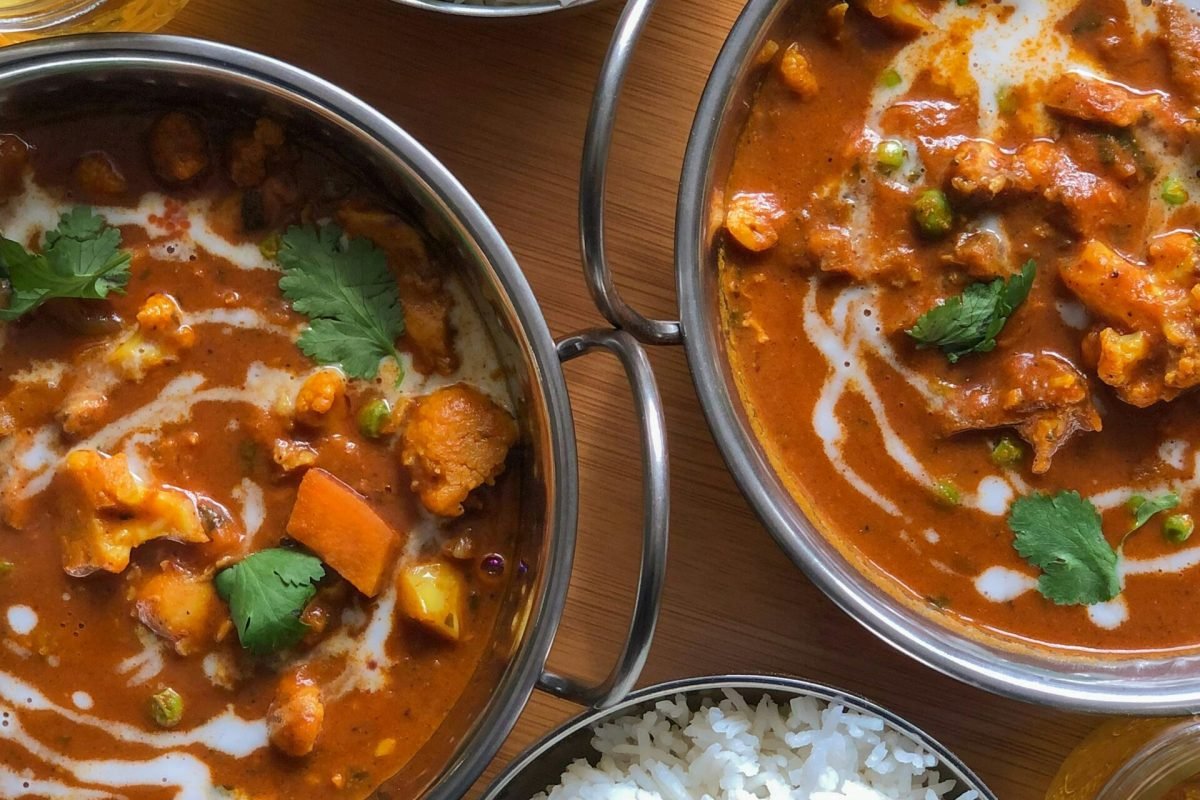
Serve your curry piping hot in bowls, over a bed of fragrant basmati rice. Generously sprinkle with fresh chopped cilantro—it brings a freshness that perfectly balances the spices. Add a generous spoonful of plain yogurt to create a creamy, refreshing contrast. Serve with warm naan to soak up this delicious sauce! It’s time to close your eyes and imagine yourself in the streets of Jaipur.

Pro Tip: Express Version (Optional)

No time to simmer everything? Use a pressure cooker or Instant Pot! Sauté the aromatics and spices in “sauté” mode, add all the ingredients, close the lid, and cook on high pressure for 6 minutes with natural release. Your curry will be ready in 20 minutes flat, perfect for busy weeknights!

Key Ingredients & Substitutions

Coconut Milk

Full-fat coconut milk brings that creaminess and sweetness that balances the spices. If you don’t have any, you can use coconut cream (even richer!), almond milk for a lighter version, or even heavy cream. For a less rich version, use light coconut milk—the curry will just be a bit less creamy.

Potatoes

We use firm potatoes that hold their shape when cooked. Yukon Gold or red potatoes are perfect. No potatoes? Replace with cubed sweet potatoes—they bring a delicious sweetness that pairs really well with Indian spices!

Cauliflower

Cauliflower absorbs the curry flavors wonderfully. If you don’t have any, broccoli works great too! You can also add cubed eggplant, zucchini, or green beans. The important thing is to have about 500-600g of vegetables total.

Garam Masala

This is THE spice blend that gives that authentically Indian taste! If you don’t have any, you can make it at home by mixing ground cinnamon, cardamom, cloves, and black pepper. Or in a pinch, simply add more curry powder and a pinch of cinnamon.

Ground Spices

You can use a pre-made curry spice blend, but mixing it yourself gives a much fresher and more complex flavor! All these spices are easily found in supermarkets in the “international” or spice aisle. And they keep for months in your pantry for making other curries!

VARIATIONS & CUSTOMIZATIONS

High-Protein Version

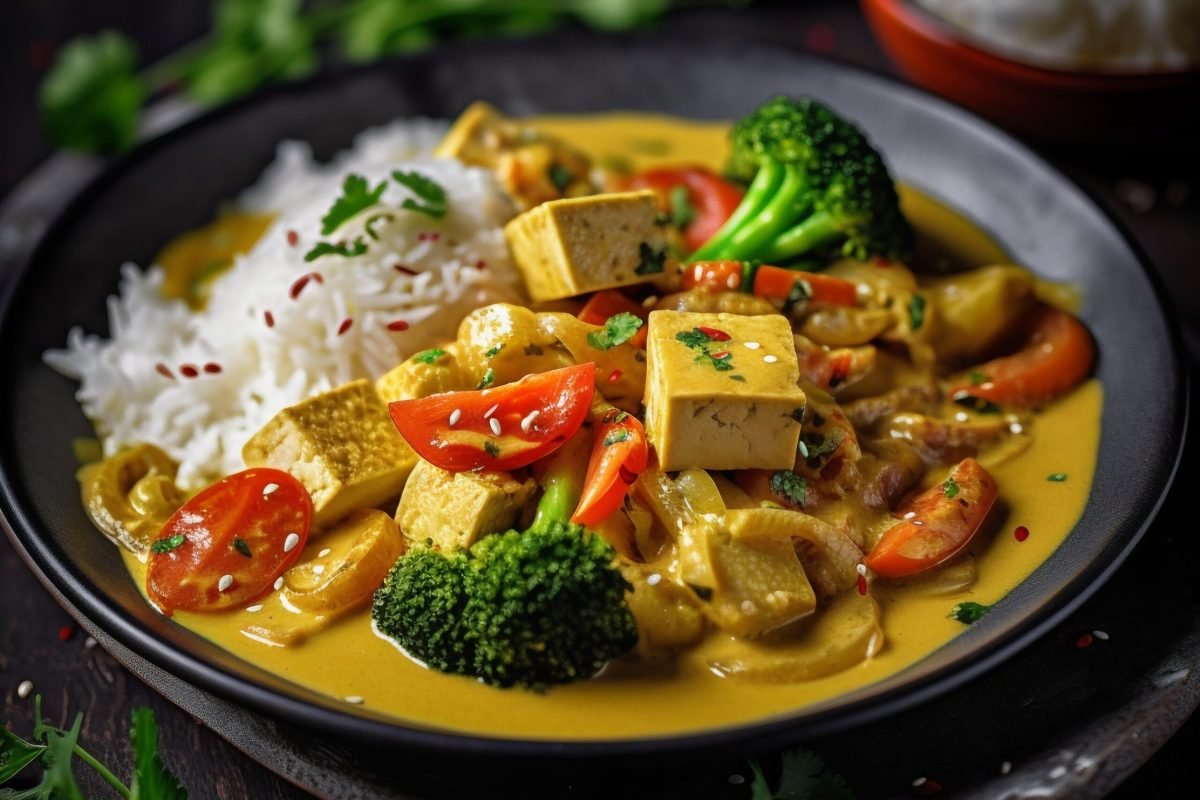
To add protein, incorporate 400g canned chickpeas (drained and rinsed) at the same time as the vegetables. Or add 300g firm tofu cut into cubes that you’ve browned in a pan before adding to the curry. For a non-vegetarian version, chicken pieces or shrimp work perfectly.

Spinach Curry

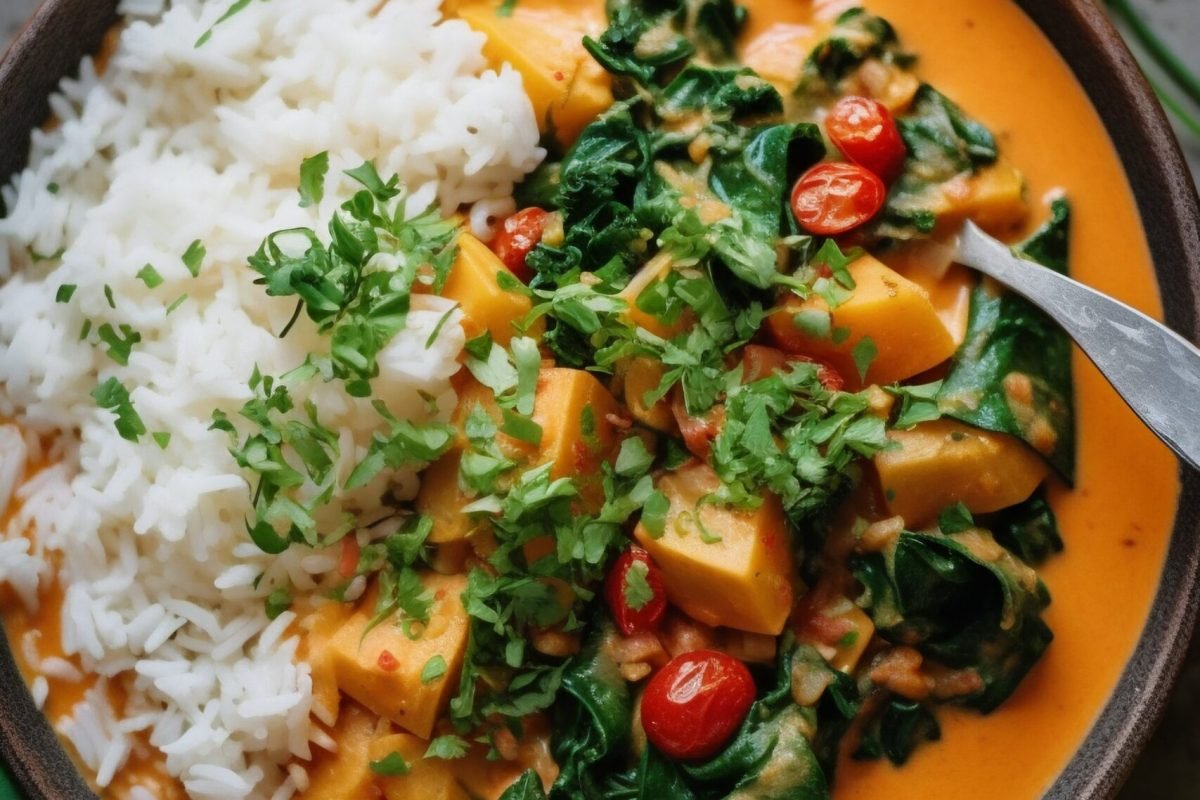
One of our favorite variations! Add 200g fresh spinach (or 150g thawed and drained frozen spinach) during the last 5 minutes of cooking. It will melt into the sauce and create that beautiful green curry we love. It’s delicious and super nutritious!

Thai-Inspired Version

Want to mix things up? Replace the Indian spices with 2 tablespoons Thai curry paste (red, green, or yellow depending on your preference). Add crushed lemongrass, kaffir lime leaves if you can find them, and finish with Thai basil and a squeeze of lime juice. It’s a completely different flavor direction, but just as delicious!

Mild Kid-Friendly Curry

For a version kids will love, omit the cayenne pepper, add 1 tablespoon almond butter and 1 teaspoon maple syrup. You’ll get a mild, slightly sweet, super creamy curry that even the little ones will devour! Serve with rice and familiar vegetables they know.

FREQUENTLY ASKED QUESTIONS

Can You Prepare This Curry in Advance?

Absolutely! It’s even one of those rare dishes that improves as it sits. Make it up to 3 days ahead, store it in the refrigerator in an airtight container. Reheat gently over low heat, adding a little water or coconut milk if needed—the sauce thickens as it cools. Perfect for meal prep or stress-free entertaining!

How Do You Make This Curry Thicker or Thinner?

Too thin? Let it simmer uncovered for an additional 5-10 minutes so the excess liquid evaporates. You can also mash a few potato pieces against the side of the pot—the starch will naturally thicken the sauce. Too thick? Simply add vegetable broth or coconut milk little by little until you reach the desired consistency.

Can You Freeze It?

Yes! This curry freezes perfectly for up to 3 months. Let it cool completely, then transfer to airtight freezer-safe containers (leave 2-3 cm of space as the liquid expands when freezing). Thaw in the refrigerator the night before, then reheat gently over low heat. The texture and flavors remain excellent!

What Vegetables Can Replace Those in the Recipe?

Almost any! Eggplant, zucchini, bell peppers, green beans, snow peas, sweet potatoes, butternut squash, broccoli, mushrooms… Use what you have or what’s in season. The important thing is to keep about 700-800g of vegetables total. Just adjust cooking times depending on the vegetables you choose.

My Curry Lacks Flavor, What Should I Do?

Several tricks: first, taste and add more salt—that’s often the problem! Next, squeeze some fresh lime juice—the acidity awakens all the flavors. Add a teaspoon of soy sauce for more umami. And don’t forget the garam masala at the end—that’s what brings that final depth of flavor typically Indian.

You'll Also Love These Recipes

Leave a Comment

Your email address will not be published. Required fields are marked *